What Are The 5 Elements Of A Combustible Dust Explosion?
Combustible dust is a serious hazard in many industrial environments, particularly where fine particles accumulate on machinery, overhead surfaces and other difficult-to-reach areas.
A combustible dust explosion can occur when five conditions come together, commonly known as the Dust Explosion Pentagon:
- Combustible dust (fuel)
- Oxygen
- An ignition source
- Dispersion of dust particles
- Confinement
Industries handling flour, wood, plastics, metals and other combustible materials can face these risks. Understanding each of the five elements helps facilities identify potential hazards and take appropriate preventative measures.

1. Combustible Dust
The first element is a combustible material capable of acting as fuel.
Many materials used in everyday manufacturing processes can produce combustible dust when cut, ground, handled or processed. Examples include:
- Flour, sugar and other food ingredients
- Wood dust and sawdust
- Certain metal powders
- Plastic and rubber dust
- Grain and other agricultural materials
Not every dust is combustible, and the level of risk depends on factors including particle size, concentration and the material’s properties.
Facilities should understand the characteristics of the dust generated by their processes rather than assuming a material is safe because it is commonly handled.
2. Oxygen
Combustion requires an oxidising agent, which in most workplaces is the oxygen naturally present in the air.
Because oxygen is readily available in typical industrial environments, preventing combustible dust explosions generally involves controlling the other elements rather than attempting to remove oxygen.
This makes effective dust management, ignition source control and suitable equipment selection particularly important.
3. Ignition Source
Even when combustible dust is present, an ignition source is needed to initiate an explosion.
Potential ignition sources in industrial facilities include:
- Hot surfaces and overheated machinery
- Electrical faults and sparks
- Static electricity
- Friction and mechanical impacts
- Welding, cutting and other hot work
Cleaning equipment can also introduce ignition hazards if it is unsuitable for the materials or environment.
This is why equipment used in classified hazardous areas must be appropriately specified for the application, including the relevant ATEX zone and dust characteristics.
4. Dispersion of Dust Particles
Combustible dust becomes particularly hazardous when particles are dispersed into the air at a sufficient concentration.
Dust that has settled on beams, ducting, cable trays or machinery may not initially form an explosive cloud. However, activities such as maintenance, equipment movement or inappropriate cleaning methods can disturb these deposits and release particles into the surrounding air.
Even relatively thin layers of accumulated dust can contribute to a hazardous airborne cloud when disturbed, depending on the material and conditions.
Regular inspection and appropriate dust removal help prevent deposits from building up and reduce the amount of material available for dispersion.
5. Confinement
The final element is confinement, which allows pressure to build rapidly when an explosive dust cloud ignites.
This can occur inside processing equipment, dust collectors, ductwork, silos and enclosed production areas.
Importantly, a dust explosion does not always require a completely sealed space. Partial confinement can also contribute to dangerous pressure development.
An initial explosion may disturb dust deposits elsewhere in a facility, potentially creating conditions for a more destructive secondary explosion.
This is one reason why managing dust accumulation beyond the immediate production equipment is so important.
Why High-Level Dust Accumulation Matters
Dust explosion prevention isn’t limited to keeping floors and machinery clean.
Over time, combustible dust can settle on elevated surfaces that are easily overlooked during routine housekeeping, including:
- Structural beams and roof trusses
- Overhead pipework and ducting
- Cable trays and lighting fixtures
- Ventilation and extraction systems
- Machinery frameworks and conveyor structures
These deposits can become airborne if disturbed, potentially contributing to a hazardous dust cloud.
Because these areas are often difficult to access, they may receive less frequent attention than surfaces at ground level.
A suitable high-level cleaning programme can help facilities manage accumulated dust as part of their wider combustible dust risk controls.

How Can Facilities Reduce the Risk of Combustible Dust Explosions?
There is no single solution that eliminates every combustible dust hazard. Effective prevention requires a combination of risk assessment, engineering controls, suitable equipment and ongoing housekeeping.
Facilities should consider:
- Identifying combustible materials: Understand the dust generated by production processes and its relevant hazardous properties.
- Assessing hazardous areas: Determine whether areas require ATEX classification and identify the equipment requirements for those locations.
- Controlling ignition sources: Maintain machinery, manage static electricity and implement appropriate hot-work procedures.
- Managing dust accumulation: Establish inspection and cleaning schedules that include difficult-to-reach overhead surfaces.
- Using suitable cleaning equipment: Select industrial vacuum and cleaning systems appropriate to the dust characteristics, hazardous-area classification and intended application.
Cleaning is an important part of combustible dust management, but it should form part of a wider explosion prevention and protection strategy.
Choosing the Right Equipment for Combustible Dust Cleaning
Not every facility handling combustible dust requires the same cleaning equipment.
Where cleaning takes place in a classified hazardous area, equipment must be suitable for the relevant zone and intended application. In other environments, an appropriate ACD industrial vacuum may be suitable for combustible dust collection outside classified hazardous areas.
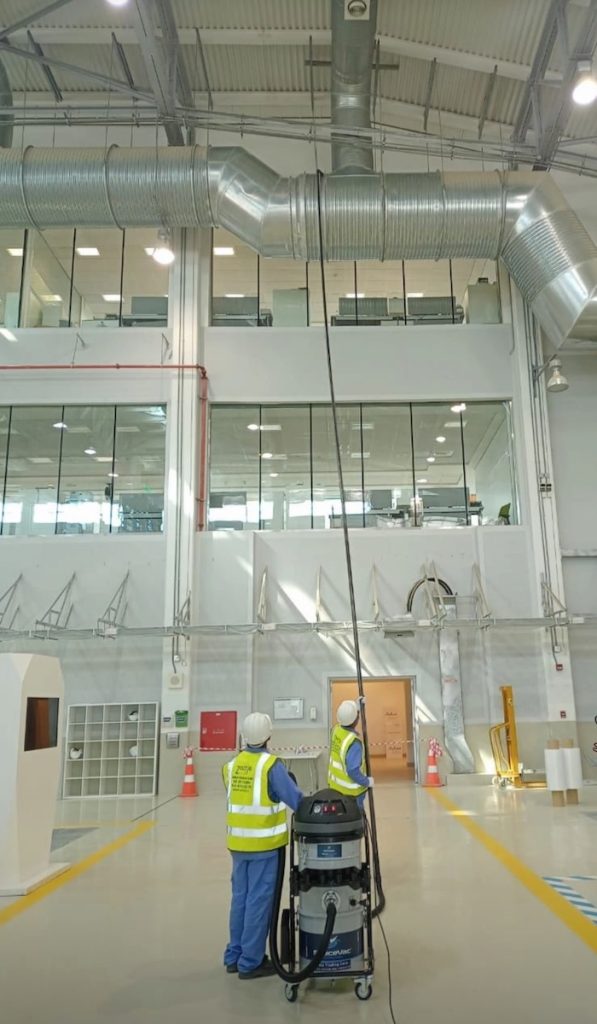
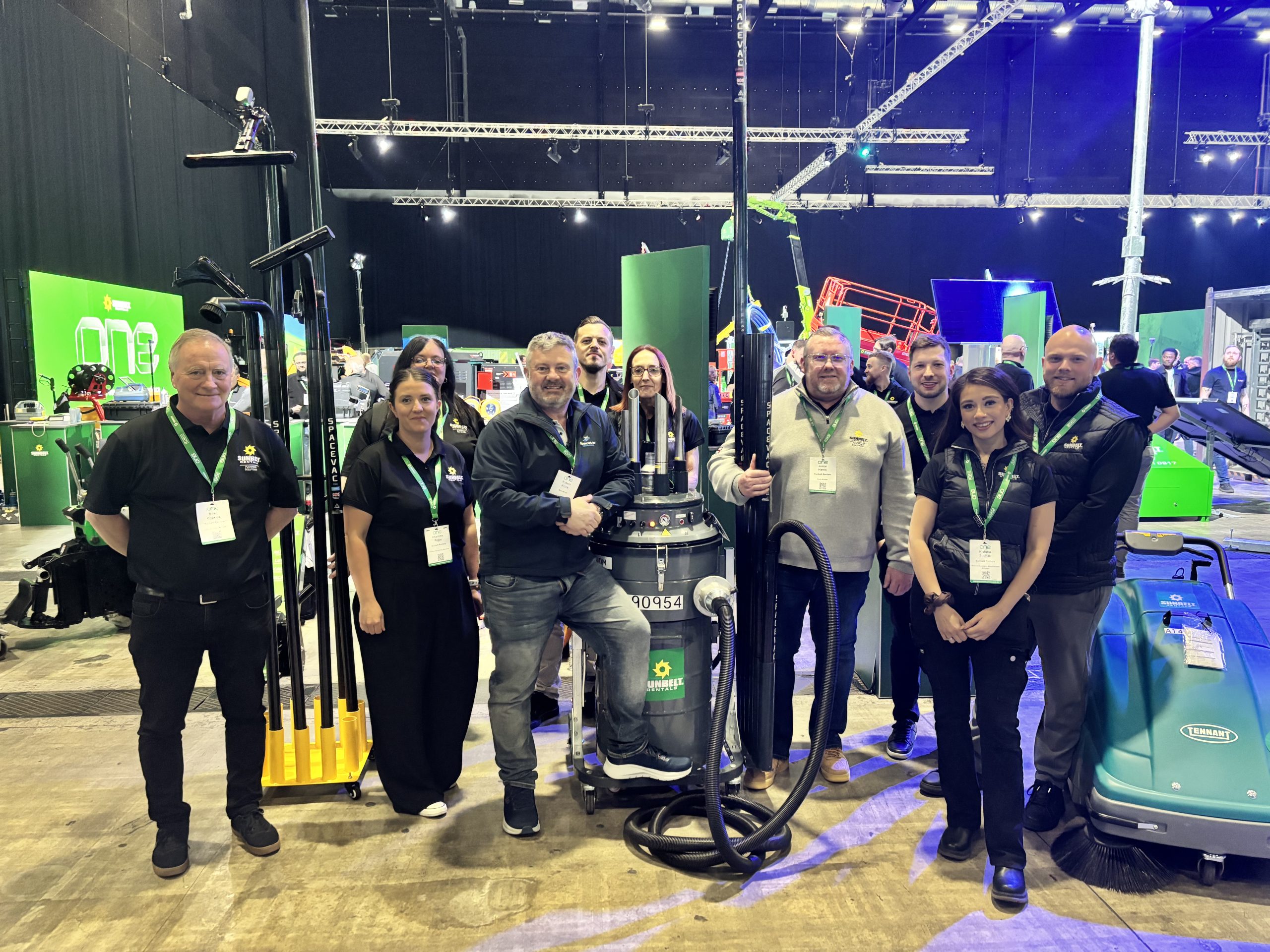
SpaceVac manufactures specialist high-level cleaning pole systems designed to help operators remove accumulated dust from elevated surfaces while remaining at ground level.
Our ATEX range includes conductive carbon fibre pole systems and specialist cleaning accessories for use with appropriately certified industrial vacuum equipment, subject to the site’s classification and cleaning requirements.
With systems available for different working heights and industrial applications, facilities can select equipment suited to their maintenance and housekeeping programmes.
Explore our ATEX High-Level Cleaning Systems or contact our team to discuss your facility’s cleaning requirements.
Other related news



Trusted by