What Is ATEX Certified Equipment?
ATEX-certified equipment is designed for use in environments where combustible dust, flammable gases, vapours or mists could create an explosion risk.
Although ATEX is often associated with oil refineries and chemical plants, its requirements extend to a much wider range of industries. Food manufacturing, pharmaceuticals, woodworking and recycling facilities can all generate potentially explosive atmospheres as part of their everyday operations.
For businesses operating in these environments, choosing suitable equipment is an important part of managing workplace risks. This applies not only to production machinery but also to the cleaning and maintenance equipment used throughout a facility.
Understanding what ATEX certification means, where it applies and how it affects equipment selection can help businesses make safer, more informed decisions.
What Does ATEX Actually Mean?
ATEX comes from the French term ATmosphères EXplosibles and refers to two European Directives governing equipment safety and workplace protection in potentially explosive atmospheres.
Directive 2014/34/EU, known as the ATEX Equipment Directive, establishes requirements for equipment and protective systems intended for use in potentially explosive atmospheres.
Directive 1999/92/EC, known as the ATEX Workplace Directive, focuses on protecting workers through risk assessment, hazardous area classification and appropriate safety measures.
In Great Britain, the relevant requirements are implemented through legislation including the Equipment and Protective Systems Intended for Use in Potentially Explosive Atmospheres Regulations 2016 and the Dangerous Substances and Explosive Atmospheres Regulations 2002 (DSEAR).
These requirements address different responsibilities. Employers must identify and manage explosion risks within their facilities, while equipment manufacturers must ensure their products meet the applicable requirements for their intended use.
Not every ATEX product undergoes the same certification process. Depending on the equipment category and type, conformity assessment may involve an independent notified body or assessment carried out by the manufacturer.
For businesses purchasing equipment, the important consideration is whether the product has been appropriately assessed, marked and documented for the environment in which it will operate.
Why Is ATEX-Certified Equipment Necessary?
Equipment that operates safely in an ordinary industrial environment isn’t necessarily suitable for use where combustible dust or flammable vapours may be present.
Electrical components, hot surfaces, mechanical friction and static electricity can all act as potential ignition sources. If an explosive atmosphere develops, unsuitable equipment could introduce a serious hazard.
Consider a food manufacturing facility processing flour or powdered ingredients. During production, small quantities of dust may escape from machinery and settle on surrounding surfaces. If that dust becomes airborne at a sufficient concentration, it can create potentially explosive conditions.
Similar risks can arise from wood dust in timber processing facilities, certain pharmaceutical powders and combustible materials handled during recycling operations.
The difficulty is that these hazards aren’t always immediately obvious. A vacuum cleaner, inspection camera or electrical device may look perfectly suitable for the task, but its construction and operating characteristics determine whether it can be used safely in a classified hazardous area.
ATEX equipment is designed to address these concerns by controlling potential ignition sources and meeting specific requirements for its intended operating environment.
Which Industries Require ATEX Equipment?
Potentially explosive atmospheres can develop wherever flammable substances or combustible dusts are produced, processed, stored or handled.
Some of the industries where ATEX requirements may apply include:
- Food manufacturing: Flour, sugar, starch and other powdered ingredients can generate combustible dust during processing and packaging.
- Grain handling and milling: Dust generated during storage, conveying and processing can accumulate around machinery and overhead structures.
- Pharmaceutical manufacturing: Certain powders and production processes require additional controls to manage combustible dust risks.
- Woodworking: Sawdust and fine wood particles produced during cutting, sanding and machining can create potentially explosive atmospheres.
- Recycling and waste processing: Shredding, sorting and material handling can generate combustible dust, depending on the materials involved.
- Chemical and battery manufacturing: Flammable substances and certain powdered materials can introduce explosion hazards requiring specialist precautions.
However, the presence of combustible materials doesn’t automatically mean an entire facility requires ATEX-certified equipment.
The requirements depend on the substances involved, the processes being carried out and the likelihood of an explosive atmosphere developing. A facility may contain several different operating environments, with some areas classified as hazardous and others presenting no comparable explosion risk.
This is why appropriate risk assessment and hazardous area classification are essential before selecting equipment.
Understanding ATEX Zones
ATEX zones are used to classify hazardous areas according to how frequently an explosive atmosphere is likely to occur and how long it may remain present.
For combustible dust environments, there are three classifications:
Zone 20: An explosive dust atmosphere is present continuously, for long periods or frequently.
Zone 21: An explosive dust atmosphere is likely to occur occasionally during normal operation.
Zone 22: An explosive dust atmosphere is not likely to occur during normal operation, but if it does, it will persist for only a short period.
Flammable gases, vapours and mists are classified separately using Zones 0, 1 and 2.
These classifications help determine the level of equipment protection required. Generally, areas where explosive atmospheres occur more frequently require equipment offering a higher level of protection.
However, selecting suitable equipment involves more than matching a product to a zone number. The equipment category, gas or dust group, temperature limitations and intended operating conditions must also be considered.
For example, two areas within the same manufacturing facility may have different equipment requirements depending on the materials being processed and the likelihood of an explosive atmosphere developing.
Why Cleaning and Maintenance Equipment Often Gets Overlooked
When businesses assess ATEX compliance, production machinery is usually one of the first considerations. Cleaning and maintenance equipment, however, deserves the same attention.
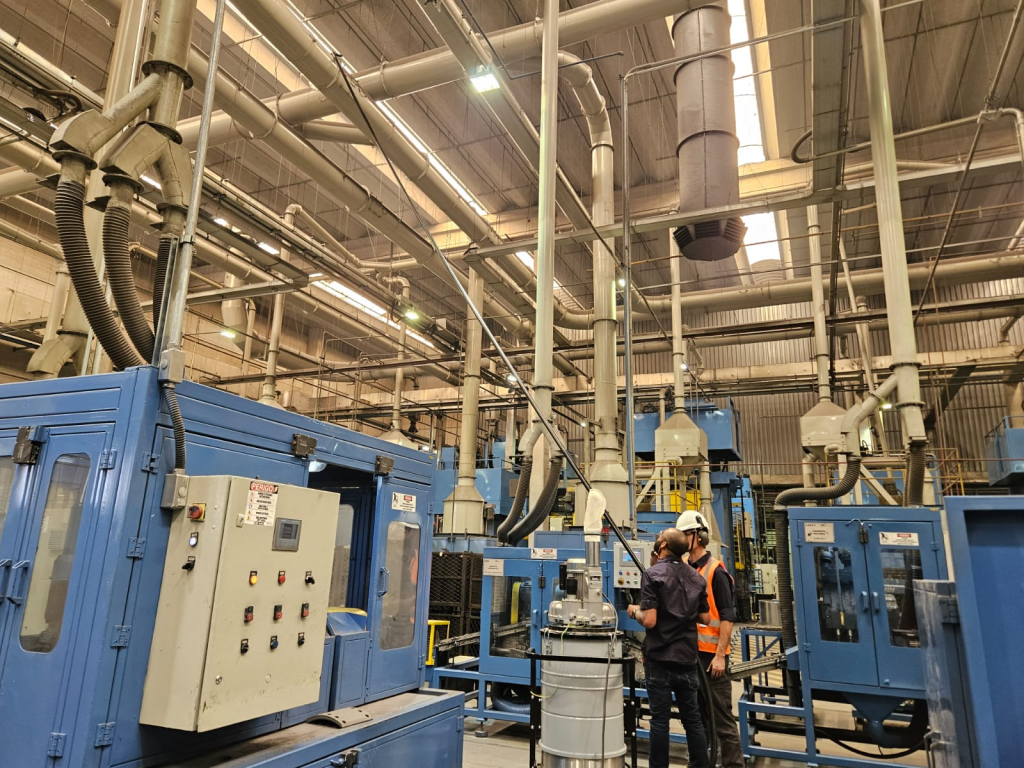
In industrial facilities, dust doesn’t remain confined to production machinery. Over time, it can accumulate on overhead beams, pipework, cable trays, ventilation systems and other surfaces that are difficult to access during routine cleaning.
This creates an additional challenge for facilities handling combustible materials. Accumulated dust needs to be managed, but the cleaning methods used must not introduce further hazards.
For example, using compressed air to remove settled combustible dust can disperse particles into the surrounding atmosphere, potentially increasing the risk of an explosive dust cloud forming.
Similarly, introducing an unsuitable industrial vacuum into a classified hazardous area may create ignition risks associated with electrical components, static electricity or other sources.
A suitable vacuum cleaning system can help remove accumulated material while limiting unnecessary dust dispersal, provided the equipment is appropriate for both the substance being collected and the environment in which it operates.
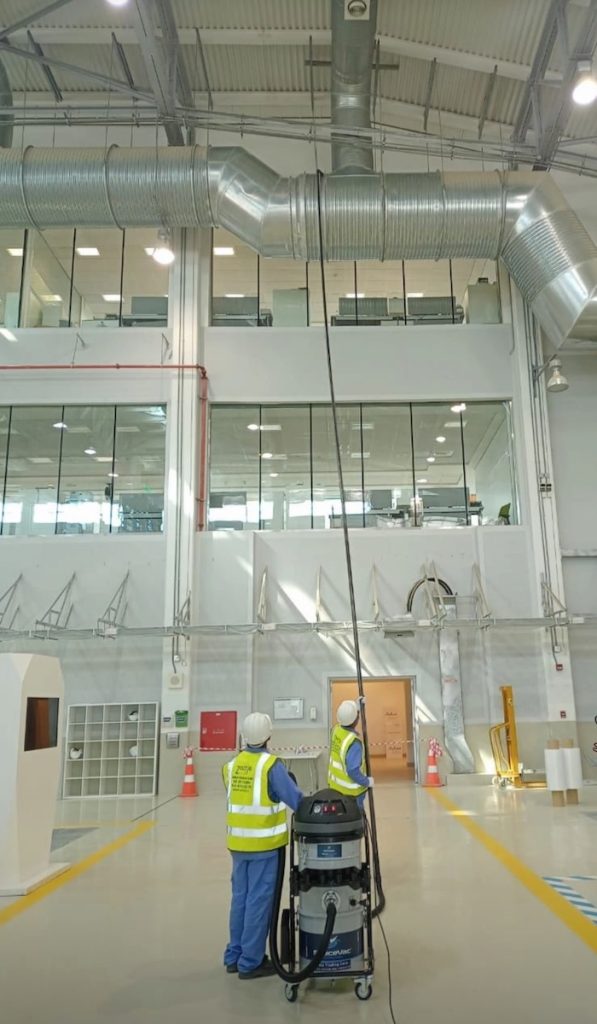
At SpaceVac, we regularly highlight the importance of including elevated surfaces within industrial cleaning programmes. Areas above production lines or around structural features can be overlooked because they’re outside normal working height, yet dust accumulation in these locations still needs to be considered as part of a facility’s wider housekeeping procedures.
For businesses managing combustible dust, the challenge isn’t simply reaching these areas. It’s ensuring the cleaning process is appropriate for the risks involved.
How to Choose the Right ATEX Cleaning Equipment
Selecting suitable ATEX cleaning equipment starts with understanding the working environment and the materials being collected.
A facility’s hazardous area classification should establish whether equipment needs to be suitable for a particular ATEX zone. From there, businesses should consider the equipment’s marking, conformity documentation, intended use and any relevant limitations.
The type of material being collected is equally important. Different combustible dusts have different characteristics, so equipment suitability shouldn’t be assumed simply because a product is described as ATEX-compliant.
For high-level cleaning applications, practical considerations also come into play. Working height, access around machinery, overhead obstructions and compatibility between the vacuum unit, poles, hoses and accessories can all influence which system is appropriate.
It’s also important to distinguish between equipment operating within a classified hazardous area and equipment positioned outside that area but used to collect combustible dust. These applications may have different requirements and should be assessed accordingly.
Ultimately, the right solution needs to address both the cleaning task and the specific hazards associated with the environment.
ATEX High-Level Cleaning Solutions from SpaceVac
High-level cleaning can be particularly challenging in industrial environments, where dust accumulates around overhead pipework, beams, ventilation systems and production equipment.
Traditional access methods may involve scaffolding or mobile elevated work platforms, which can introduce additional costs and disruption to daily operations.
SpaceVac manufactures specialist high-level vacuum cleaning equipment, including ATEX and ACD solutions for applications involving combustible dust.
Our lightweight, modular pole systems allow operators to access elevated areas from ground level, reducing reliance on traditional working-at-height methods while supporting efficient industrial cleaning.
The appropriate system should always be selected according to the facility’s risk assessment, the material being collected and the conditions in which the equipment will operate.
Explore our ATEX and ACD cleaning equipment range to learn more about the available solutions.
Frequently Asked Questions
Is ATEX certification mandatory in the UK?
Equipment intended for use in potentially explosive atmospheres must meet the applicable legal requirements. In Great Britain, these include the Equipment and Protective Systems Intended for Use in Potentially Explosive Atmospheres Regulations 2016 and DSEAR. The specific requirements depend on the equipment, its intended application and the hazardous area classification.
Can standard industrial vacuum cleaners be used to collect combustible dust?
Not every industrial vacuum cleaner is suitable for collecting combustible dust or operating in a classified hazardous area. Equipment selection should take account of the material being collected, the surrounding environment, potential ignition sources and the relevant risk assessment.
Final Thoughts
ATEX requirements help businesses manage the risks associated with potentially explosive atmospheres, whether those hazards arise from flammable gases, vapours or combustible dust.
For industrial facilities, this means considering more than the equipment used during production. Cleaning systems, inspection tools and maintenance activities also need to be assessed, particularly where combustible materials can accumulate in difficult-to-access areas.
Understanding hazardous area classifications and selecting equipment appropriate to the application are essential parts of maintaining safer operations. For businesses managing combustible dust at height, combining suitable cleaning equipment with effective housekeeping procedures can help reduce risks while keeping facilities clean and operational.
Other related news



Trusted by